Water Affordability Case Study: Laredo, Texas
Communities across the United States face aging water infrastructure and the accelerating impacts of climate change. Water systems built more than 50 years ago were not designed for today’s climate reality. Extreme heat, drought, and flooding are pushing them to the breaking point. As federal investment declines, more of the cost of updating and maintaining water systems falls on ratepayers, placing the greatest strain on low-income households who can least afford it. Already, up to 48 million, or 1 in 7, people in the United States face unaffordable water bills.
This case study is part of the Water Equity & Climate Resilience (WECR) Caucus’s national effort to elevate how communities are experiencing the nation’s growing water affordability crisis. The WECR Caucus, a network of nearly 80 organizations, continues to educate and advocate for federal and state policies that ensure Water Affordability for All. This story highlights the challenges and the community-led solutions emerging in Laredo, Texas, and follows the work of the Rio Grande International Study Center (RGSIC), a core Caucus member.
Laredo at a crossroads
Laredo, a booming land port along the U.S.-Mexico border, has a water problem and illustrates what our national water affordability crisis often looks like on the ground.
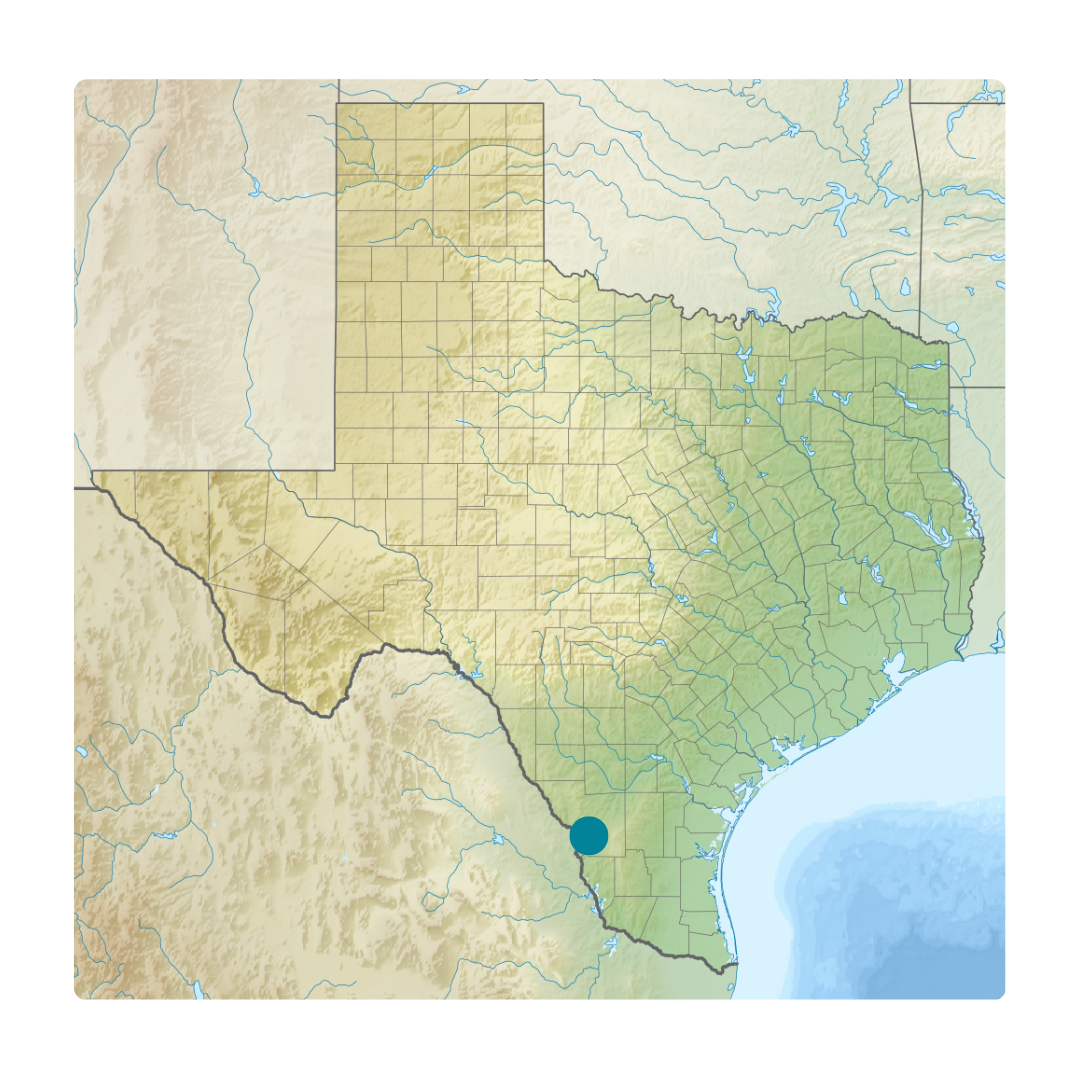
The city relies on a single drinking water source: the Rio Grande. But, the Lower Rio Grande, one of America’s Most Endangered Rivers, faces a hotter, drier climate and prolonged drought. The Amistad Reservoir, where Laredo draws its water, is at historically low water levels. Without action, Laredo could lose access to its most affordable water source by 2040. At the same time, Laredo residents face regular water line breaks and boil notices due to aging infrastructure.
Laredo is grappling with major decisions. The city could choose short-term, reactive fixes like pumping and piping dwindling groundwater supplies from neighboring communities. But, this will only delay the crisis. Instead, this case study and video explore two water solutions in Laredo that restore river health, protect drinking water access, and household budgets:
Restoring Las Palmas Nature Trail
Community members are leading an ecological restoration project to remove invasive plant species that consume excessive water, restore native habitat, control erosion, improve river health, and build community-guided green space that strengthens neighborhood pride and provides opportunities for residents to take part in the work.
Develop the Community Water Energy Resource Center (CWERC)
Laredo is considering a sustainable groundwater recharge project. Inspired by stories from other cities like Tucson, Arizona, RGSIC, the City of Laredo, and the North American Development Bank, are partnering to study and develop the Community Water Energy Resource Center (CWERC), a decentralized wastewater reclamation system. A project like this would capture and recycle wastewater close to where it’s generated, allowing the City to reuse water more efficiently, reduce strain on the Rio Grande, and lower operating costs. These savings can be reinvested into repairing broken pipes, updating aging infrastructure, and strengthening overall system resilience.
Cities like Laredo need substantial financial support from state, federal, and private partners to pursue long-term solutions instead of temporary, high-cost fixes. Without new investment, Laredo’s most vulnerable households could face the steepest increases in water bills as water scarcity and needed infrastructure fixes drive up costs.
In November 2025, over 70% of Texas voters approved the largest dedicated state water investment ever approved at the ballot box. Prop 4 will invest $20 billion in water security over the next 20 years through the Texas Water Fund. Advocates like RGSIC are working to make sure those dollars go toward projects that support long-term sustainability, restore ecosystems, conserve water, and protect affordability. In 2024, RGSIC traveled to Washington, D.C. for Water Week as part of PolicyLink’s Southern SRF Advocacy Cohort, meeting with members of the Texas Congressional delegation to call for increased federal investment in water infrastructure and water affordability.
Thank you Rio Grande International Study Center for your partnership.